






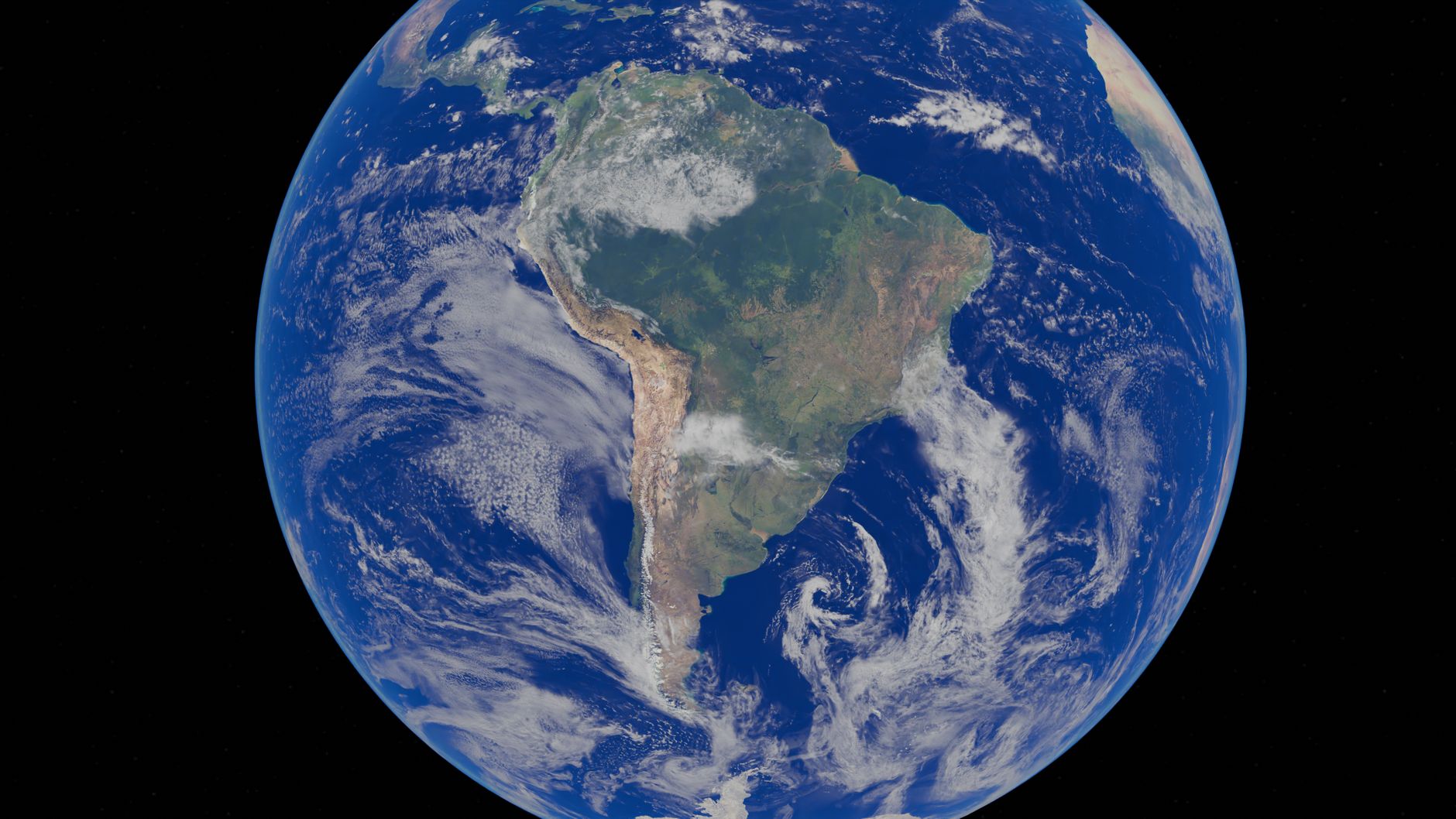
The term Hispanic was a demographic novelty instituted by the U.S. Census Bureau in 1980 to account for an amorphous group of people. To the lay observer, the term appears to stem from a relation to the Spanish colonization of the Western Hemisphere, the New World, yet also seems to include individuals from territories such as Brazil which was colonized by the Portuguese. No, these maverick demographers were, perhaps unwittingly, aspiring to recall something more fundamental or rather astronomical which despite efforts to decentralize civilization from its European focus nevertheless re-enforced it.
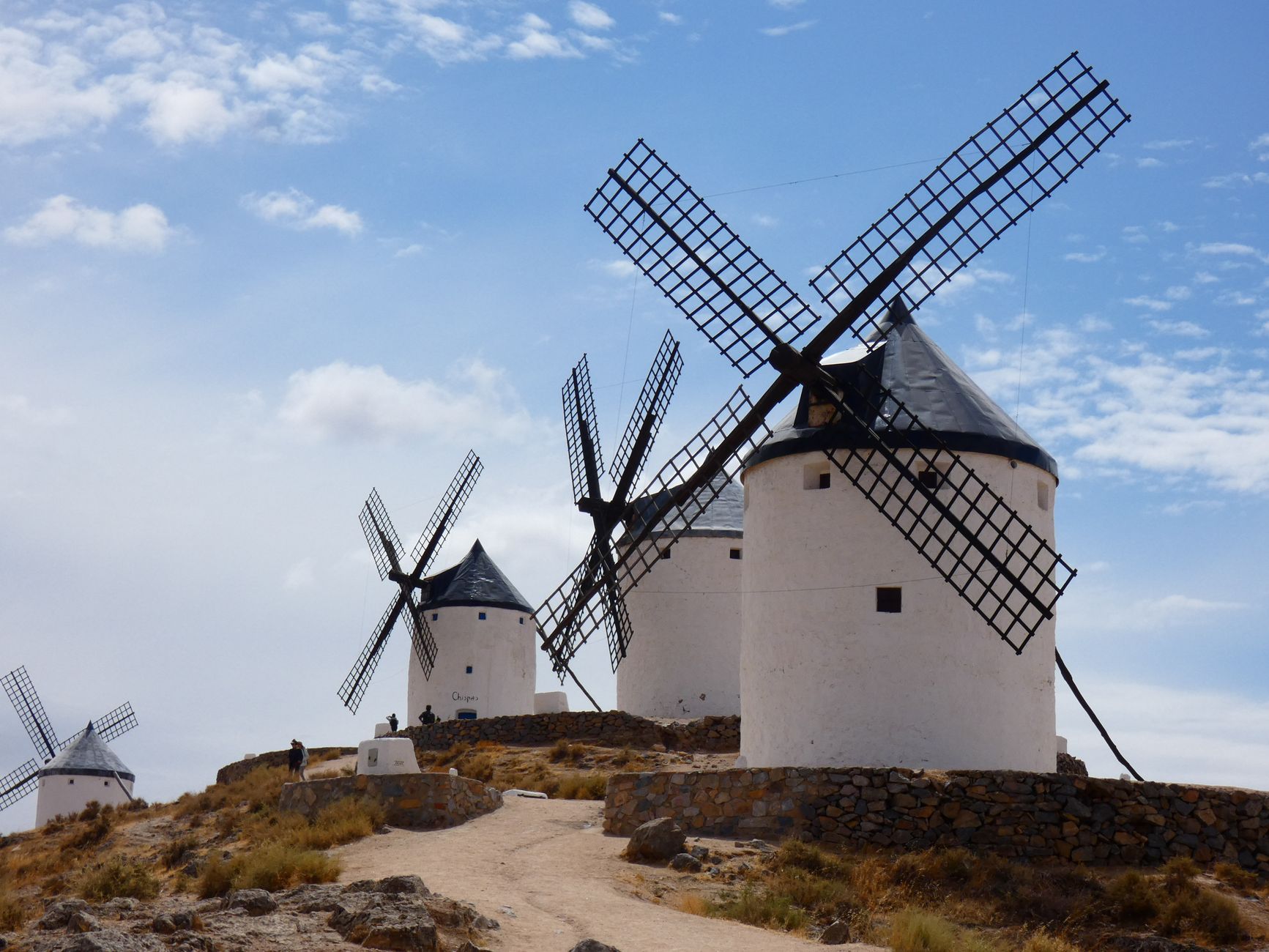
Portugal retains in its name the seafaring patrimony of being the Gallic port to the Atlantic Ocean. Its Iberian neighbor Spain, however, was so named by the Romans: Hispania or western lands. Although Rome herself was western Hesperia to the ancient Greeks yet, more literally, the land of the setting sun, the origin as well of the English “vesper.” After the various discoveries of the New World in the Western Hemisphere, Latin America denoted by the colonies of Catholic Spain and Portugal or old Hesperia later adopted this neo-logism Hispanic, although this term has not been applied to the equally western, indeed more so, inhabitants of formerly English and French colonies in North America.

The more generic term for western territories and the people who inhabit them is “occidental,” yet it is a term that has fallen out of favor due to the cultural backlash of its correlative eastern term, “oriental.” The Occident is so named for falling, namely the falling of the sun below the horizon in the West. When the prefix “oc-,” as an assimilated prefix “ob-” is dropped, “-cido” becomes “cado,” the Latin verb “to fall,” which has the extended meaning of “falling so as not to rise again” or “to die.” The expression is retained in English when we speak of a soldier falling in battle. Technically, the Occident is the land mass that gets in the way, “oc-,” that is again, “ob-” and hence between the falling or setting sun and the terrestrial viewer.
The Orient, from the Latin middle-voiced verb masquerading as a deponent, “orior,” has no prefix. The root is “or-,” which will literally be the origin or “ori-gen” of the Latin “hora,” as the hour is defined by the segmented, arced shadow pathing across a sundial with each quotidian solar rise and setting. That same root “or-” is also rather anatomical from “os, oris” meaning in Latin “mouth” and connected to the act of the mouth, prayer, “orare.” In this way the mouth by eating is ordered to the good of the body, while the mouth by praising the Lord desires the Highest Good, that is, God.
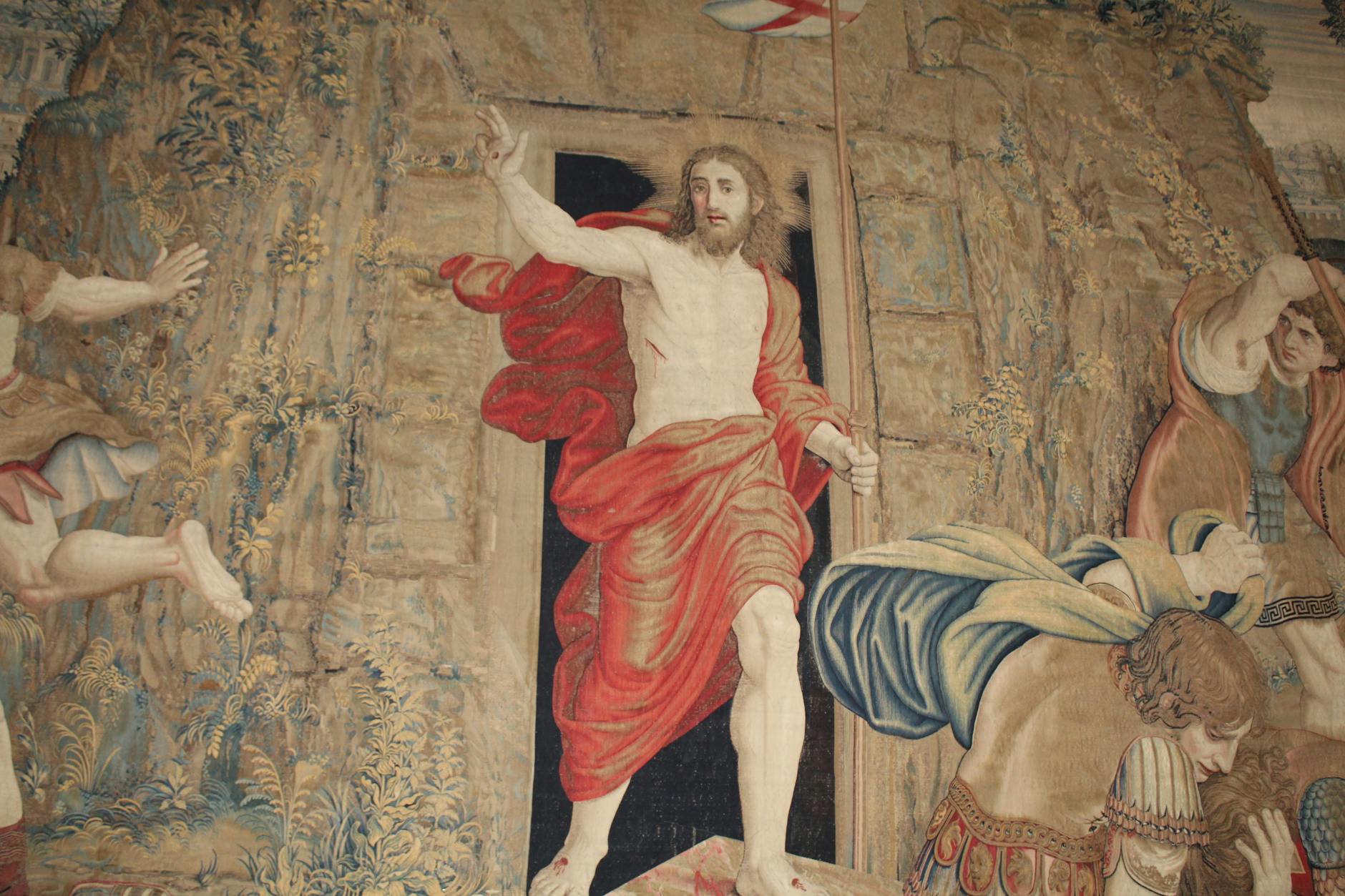
I suggest that “orior” is a middle-voiced verb because the sun rises itself. It is beyond our influence and domination within the sub-lunar sphere. While the earth blocks the sun in the West as a certain falling and death, the rising of the sun in the East is not in defiance but rather an illumination of its dominion of the Earth and frames the Sun’s day triumph of Easter morning over death so telegraphed and typographed since the first dawn.

The horizon itself is visually and photosensitively derived from the rising sun through the Greek ὁρίζω. The vertical piercing of night by the rising dawn gives birth to the visual horizon across the wine red sea. Let not the theological lesson woven into the movement of the heavenly spheres be lost here. The vertical dimension, God, is the cause, the Creator of the horizontal dimension, creation and the knowledge, here, sight of creation. Artificial illumination, powered by fuel stored from the sun or, perhaps, another exploding star in the case of uranium, has done much to disorient God’s people from the heliotropic and theocentric rhythm of the cosmos. Such is the gravity of Descartes’ “cogito,” and, perhaps, even his coordinate plane in which the horizontal dimension, not the vertical, receives the independent variable. In founding his philosophy and his mathematics at the level of the human horizon, an inward epistemology independent of an outward Creator, the Father of Modern Philosophy makes God and the God of nature to be just another being in existence, a τέλος unable to tether an indignant and rebellious world, a measure of man, both heretical and invidious, man, who yet bears around the testimony that you resist the proud.

Support BetterPears Through
BetterPears Leaves
Click Here to learn more
Be the first to know when the next episode of The BetterPears Podcast arrives!
Subscribe to The BetterPears Podcast


