






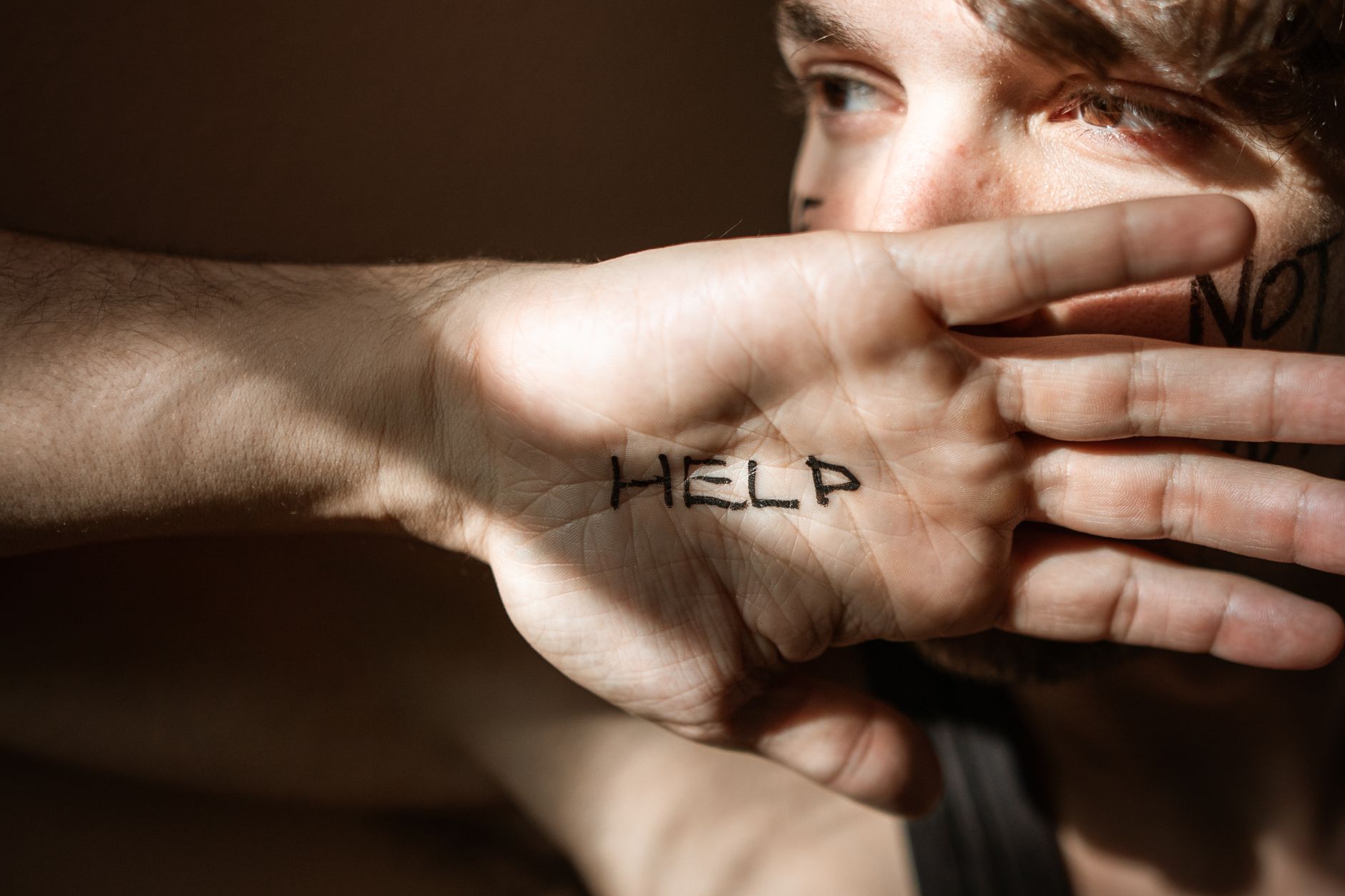
Amid a world of euphemisms and circumlocutions, “addiction” is a taxonomy which accurately pins down a malady both relationally and clinically. Perhaps it is our American proclivity to err on the side of licentiousness in the expression of liberty which causes an almost reflexive denial when confronted by the wreckage of our lives or the intervention of friends and family concerning the addiction in dictatorial control of our lives. “Addiction” is rooted in “dicere” the Latin verb meaning “to say, speak,” but here as a perfect passive participle converted into a 3rd declension noun. To be “addictus” or to have an “addictio” is to be spoken for, that is, not to speak for one’s self, a surrender of self agency or rather often an abdication.

It should be noted to us in the modern milieu that self-agency, self-advocacy is not always and everywhere a good for us. Indeed, there is perhaps no surer path to the formation of a genuine hellion that to grant a young human being such undue authority and autonomy. Childhood is a certain natural slavery due to our unfitness at birth and for a considerable time afterward to care for our basic and developmental needs. This tutelage of parental custody, which indeed is designed to keep us safe, is often filled with instruction in familial and social norms and compulsory education. In times of old, when children were seen and not heard, the presumption was that someone, the father unless absent, spoke for his children. He would answer for them and be answerable for their behavior in courts of law and the court of public opinion. He had after all given over to his progeny his surname, the cognomen by which their collective lots were bound in the lottery of birth.

While the jurisprudence of legal courts has been eroded both at the legislative and juridical levels and the court of the courtier and courtesan remains modeled to the same modern mode, there remains at least one juridical relation obsessed with juridical authority, with who speaks for whom, with addiction in its literal and common parlance, a relation absent charity and grace, adhering to the law alone. I am referring here of the demonic and the claims of demons for the domain of persons, places, and things. Of all beings great and small, the demons, the great bane of our first parents, recognize the spiritual headship of husbands and fathers in any claim to exorcize possession, an extreme form of addiction, from wife or child. A father handing his daughter over to the bridegroom and a father accepting his child on his knees is not just accepting the obligation for physical provision and protection but also spiritual defense and flourishing. Beyond even this status of paternal authority, the demonic so revealed themselves acknowledge the apostolic authority of the bishop, the local ordinary, deputed to the appointed priestly exorcist. In this way, the legal rigidity of demons serves to affirm the apostolic truth of the Catholic Church in a most unexpected way.

Demonic possession, again, is an extreme degree of addiction in the literal sense. Returning to addiction more broadly understood, most addictions are classified by their undue desire or cupidity toward some substance, that is, for its effect on the mind or body, or toward some behavior for its similar short-lived psychosomatic effect. For such addicts, their lives have become unmanageable and their autonomy has been replaced by a certain powerlessness to their addiction. The admission of this reality is the foundational first step in the 12-step recovery process pioneered by the founders of Alcoholics Anonymous. Today 12-step recovery extends the wide spectrum of addiction to substances such as Alcoholics Anonymous, Narcotics Anonymous, Over-eaters Anonymous, and addiction to behaviors such as Sexaholics Anonymous, Gamblers Anonymous, Codependents Anonymous, and Al Anon. As the names of these programs suggest, these 12-step recovery groups are intentional about the anonymity of their members. Traditionally, members identify themselves only by first name.

From what has been explored above, this anonymity appears discordant with the restoration of paternal protection, whether at the natural level of the family or the ecclesial level under apostolic authority. This oxymoronic juxtaposition of anonymity seeking restoration is clarified by steps 2 and 3, which both recognize the healing authority of God as higher power and an act of faith in asking God to restore health, that is, sanity to the addict. The success of anonymous 12-step recovery in providing healing for those hurting under addiction is an appeal to a nomen more common than a cognomen, an appeal to the sender, the ἀποστέλλων of the apostles. Our addictions fall mute before the Immutable. Desires which speak for their powerless victims fall impotent before the victorious Sire who spoke us into being.

Support BetterPears Through
BetterPears Leaves
Click Here to learn more
Be the first to know when the next episode of The BetterPears Podcast arrives!
Subscribe to The BetterPears Podcast


 BetterPears