








Classical education bears the tension of an oxymoron. Education, a literal “leading out” recalls, for some, the “Allegory of the Cave” in Plato’s Republic in which Socrates describes the way by which the philosopher leads out from the cave of images those blind to the light of truth, which truth the philosopher himself has seen. The more mundane rationale behind the term “education” is the ancient practice of sending one’s children out of the home for their instruction by learned masters.
Our parents are our first educators. They are the first others whom we must recognize as distinct from ourselves. We need them more than they need us, that is, for survival, and so these early lessons flow quite naturally, even if begrudgingly. Parents and indeed often siblings teach us a great deal about ourselves, others, and the world around us in a rather short time. There comes a time, however, when each of us is called, if for no other reason than the perfection of our own human nature, to seek the society of others beyond the family. Young siblings quibble over prized toys; older siblings realize that the goods of the family remain in the family even when possessed by another relation. The family which was once other, has become identified with one’s self. In contrast to this identity, we are thrust out into the world, into academic institutions of every level, from tender youth to university scholar. We are “led out” of ourselves, of the comfort of our first domestic education, to engage upon studies of strange new things with other people, people unlike ourselves.
The tension of classical education is that this course of studies which has historically united the Western Intellectual Tradition is routinely prescribed to pupils of disparate backgrounds, interests, and academic abilities. In short, our education is a continuing series of opportunities to be “led out” of ourselves, of our comforts, and yet classical education is a course of studies which make us participants in the Western Intellectual Tradition and thus beneficiaries of the comforts it provides.

The term “classical” is derived from the Latin word meaning “fleet,” and a fleet is commonly an ordered group of naval vessels distinguished by their movement in the same direction and similar flying colors. The benefits of a fleet are multiple. Vessels traveling in the same direction move parallel to one another and in this way may avoid collisions. Similarly, vessels traveling together united under the same flag can provide protection from those who might take advantage of a single vessel in isolation. Finally, those in the rear of the fleet may travel more speedily knowing that the path ahead has been scouted and cleared by those in the vanguard.
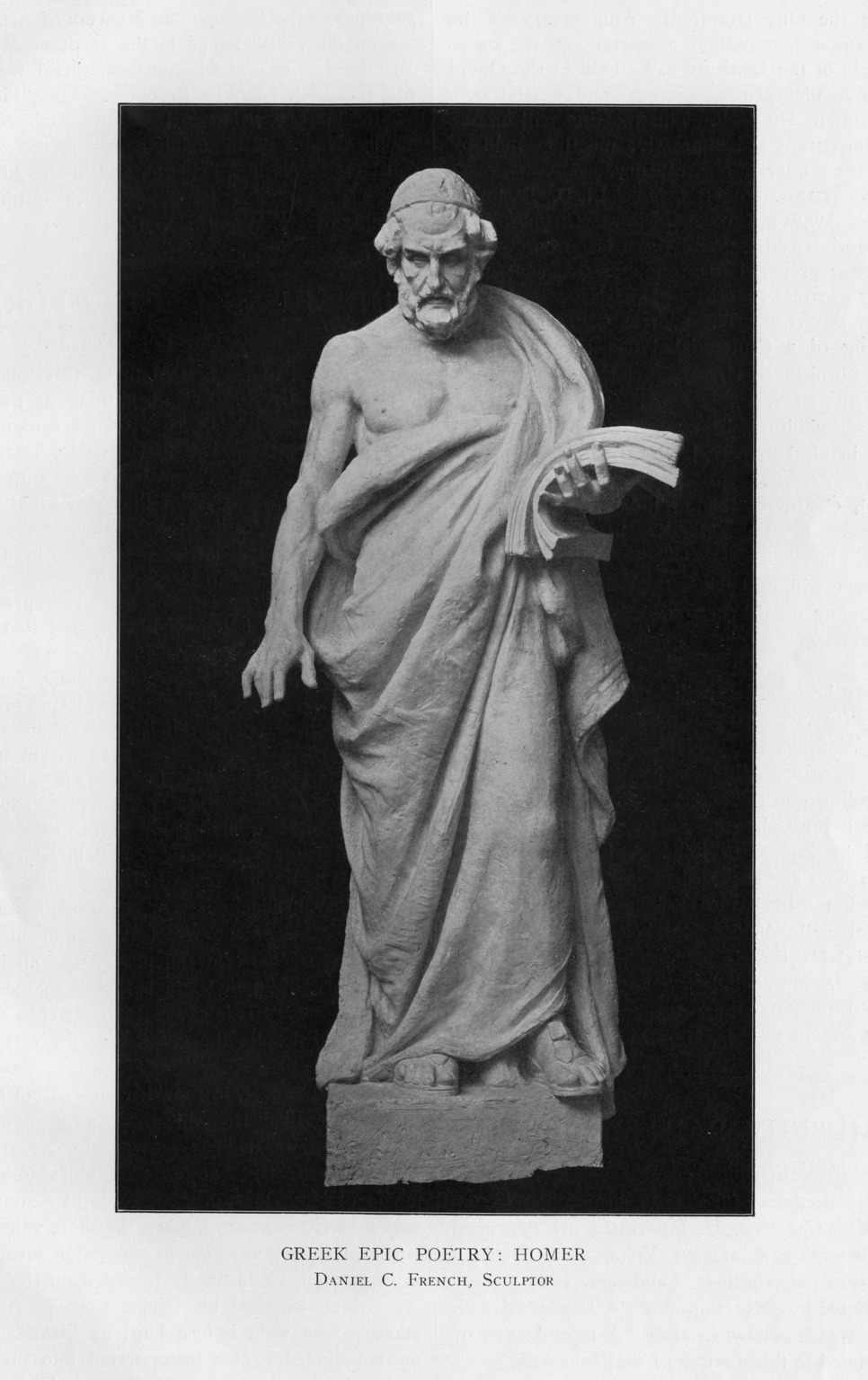
Similarly classical education benefits from a common course of studies in what are known as the Great Books, works within the Western Intellectual Tradition which have stood the test of time, have asked the enduring questions which require all who might journey along to pose and to engage. The common use of the Great Books for a classical curriculum also provides a remedy for the inclination to redirect one’s studies toward the novelties of any particular time. The classics endure, rather, because they best frame the questions of the day. Furthermore, since a classical education has been tested by time, it therefore, presents questions that are new to us but perhaps not new to others who came before us. We may choose to build upon the responses which others have given to the enduring questions, but even if we do not so choose, we find ourselves equipped to handle questions anew, should the need arise. We are assured of these new approaches to old questions precisely because we are confident that the questions posed are fitted for our human experience which we hold in common with the original questioner.
To this point, what has been presented appears all well and good. It is the story of near countless children over the centuries who have left the comfort of their homes to engage in a course of studies only to find a new comfort in the identification with what has become called the Western Intellectual Tradition. What was classical, that is, common and secure was, however, slowly overcome, through the course of recent centuries, by the constant outward drive of education toward what is other. Thinkers began to suspect that what they were being taught was mere intellectual chauvinism, that is to say, “The truths we have learned are true because they are what we have learned as true.” We became post-modern in the sense that we began to question what was true, what was good, and what was beautiful because we ultimately questioned the knowability of truth, goodness, and beauty. This happened first among the intelligentsia, politicians, and artists, but by now we have all experienced this repulsion to the classical, to what is Western, and to tradition at least in the expressions of others, if not perhaps even in our own thoughts.

When we speak of post-modernity, however, we presume that it is a new philosophical position and even long-awaited. The best embodied juxtaposition of the classical and the post-modern occurred, however, nearly two-thousand years ago in Jerusalem, when Pilate posed the question, “Quid est veritas?” “What is truth?” (John 18:38). Whether in Latin or Greek, he was off by a letter. “Quis,” not “Quid.” “Who,” not “What.” Jesus Christ, to whom the question was posed, is “the Way, the Truth, and the Life” (John 14:16). The antidote, or rather the vaccination, against the attack of post-modernism is the historical and principal foundation of the Western Intellectual Tradition, Jesus Christ and His Church.
This is not an embattled religious sentiment set against the intellectual currents of our age. It is the reality that truth understood as a thing, as a Cartesian “clear and distinct idea,” is fundamentally distasteful to the human intellect. Take a statement of truth, any statement, and remove from it any connection to the people who helped you discover this truth or who share it with you. The statement may still be pretty or useful, but it will assuredly become banal by the fiftieth repetition. “The paper is white,” and “The ink is black,” are statements, which if repeated in isolation as merely true statements, would invite insanity, and yet this is the very principle upon which education, classical or otherwise, is built when devoid of Divine Revelation.

All education as a “leading out” should not be limited to an engagement with other finite beings. All Catholic education and specifically Catholic, classical education has its end in a leading out into the Father, Son, and Holy Spirit. Truth is not a “what” it is a “Who.” Truth requires trust in Him and those He has placed in the life of the Church in order to share Himself. Catholic, classical education recognizes this necessity of faith, which is trust in God, for truth to take root and flourish in the human soul. It is an education ever leading students out of themselves into God and into His vineyard, or perhaps orchard, and yet an education providing comfort and solace through the common experience of humanity throughout the ages in understanding the true, the good, and the beautiful.

 BetterPears