






What do we mean by the term “real estate”? Is land as property significantly more real than an automobile, livestock, or even precious metals? Of all places, this question was posed to me as a reader of Robert Kiyosaki’s landmark book Rich Dad, Poor Dad some twenty years ago. Kiyosaki’s point in the book is to note that the “real” in real estate stands for “real” or royal, as in the fútbol club Real Madrid, which is not somehow more authentically Madrid or more intensely a fútbol club than its rivals. Kiyosaki continues by elaborating on the how land as real estate remains subject to eminent domain and property tax—the latter justified as an exchange for our productive use of the king’s land.
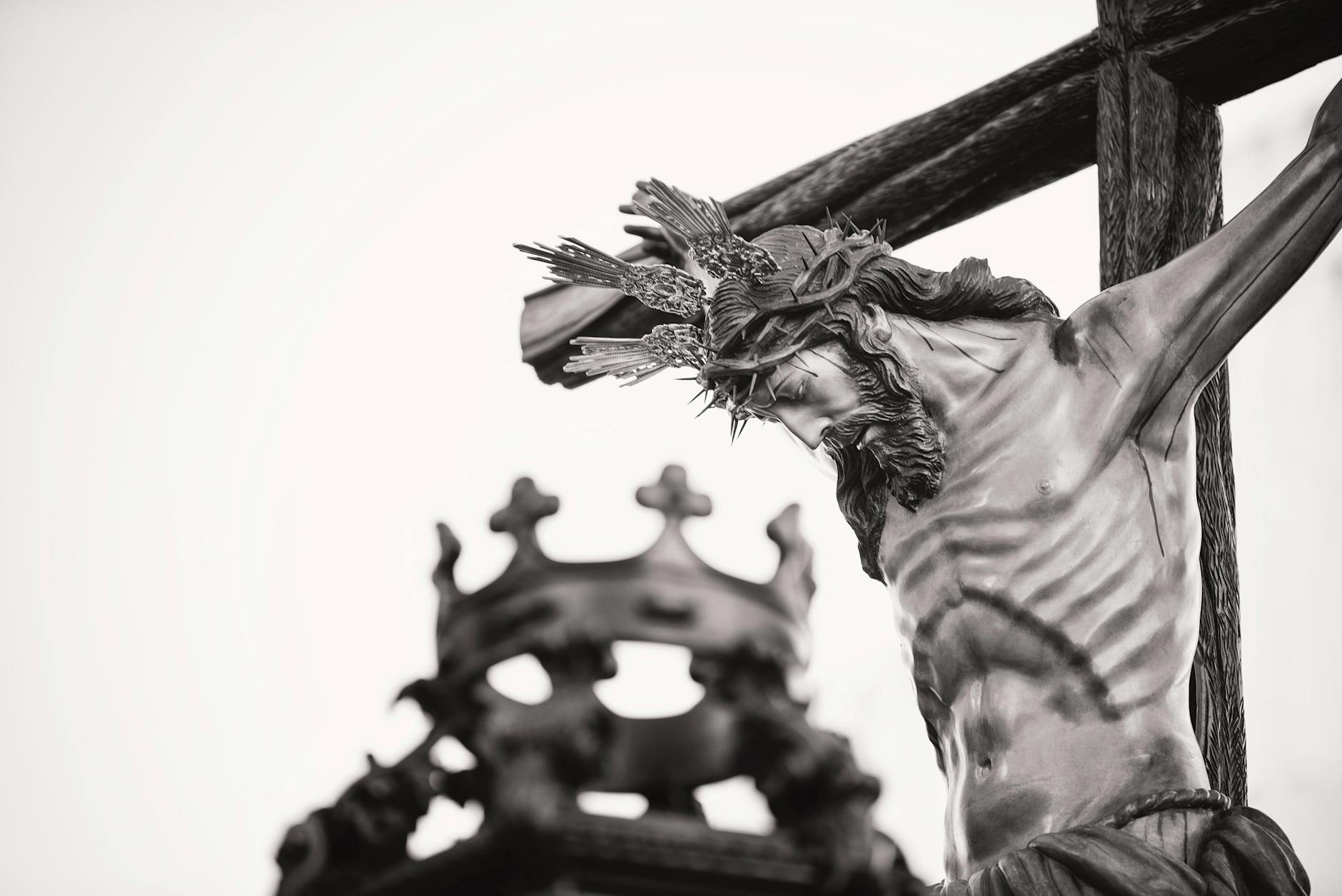
Royal estate does not, however, resonate with Americans. While we seem to have a tolerance for tyrants, we, like the ancient Romans, absolutely reject a king or “rex”. Even the transition from Roman Republic to Empire witnessed Julius Caesar rejecting this royal title for that of dictator. His posthumously adopted son Octavius chose the titles princeps or “first head”and imperator or “commander” and eventually even deification over the repudiated title “rex”. Pontius Pilate also knew that the title “rex” written over a certain crucified upstart from Nazareth would give him political cover in Rome despite the veracity of the title in that case.
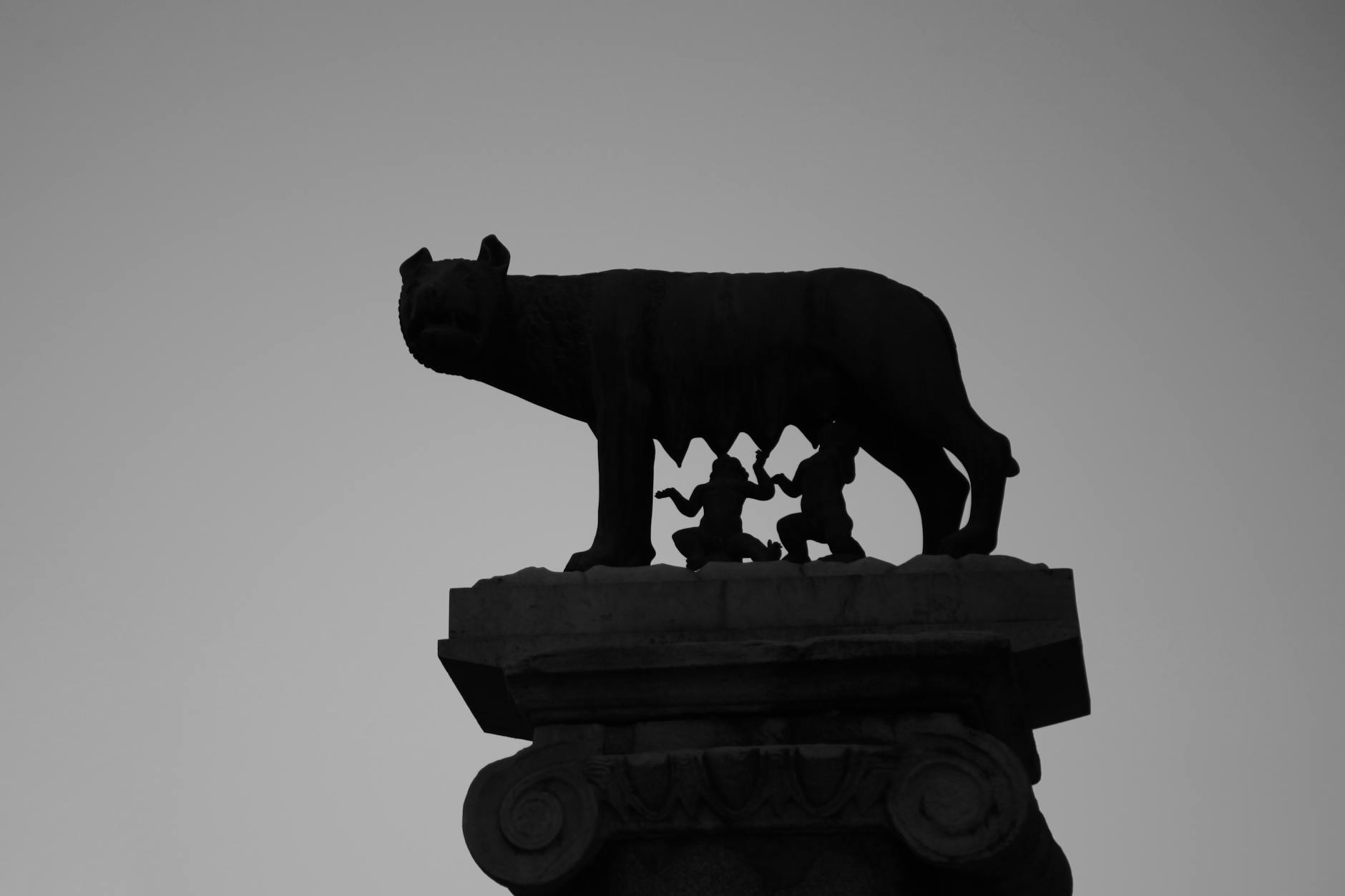
“Rex” itself is a peculiar word. It remains popular upon our aural palette on account of a certain dinosaur named like a Sophoclean protagonist—both tyrant and king. Not until “rex” is viewed with its Latin genitive form “regis” does its identity comes into focus as a compound between “res” meaning “thing, matter, or affair” and the verb “ago, agere, egi, actum” meaning “to do, drive.” A king, then, is quite literally the doer of the public thing or “res publica”. This follows as a civilization’s first king is often the one who founds a city-state through cross-tribal allegiances or sheer domination. A king, more than simply being a strong man, is one who gets things accomplished, pouring himself out or at least some of this blood and sweat into the very foundation of the founded city.

The word “estate” in contrast is less doubtful in its connection to “sto, stare,” the verb “to stand” or as in this case “to stand up, establish.” And yet, there is something reclusive from the polis in an estate. There is an affinity, more of the heart than the intellect, between an estate and “aestas, aestatis,” the Latin word for “summer,” an affinity that Big Lexi, the lexicography cartel, cannot break. Since ancient times, the landed wealthy of Rome would depart for summer estates or villas to escape the heat and accumulated humanity along the banks of the Tiber.

Although most Americans never own second vacation homes, the idea of real estate ownership over property rentals has remained a fixture of what has been called the American Dream—as if our teleological nature could be reduced to our unconscious imagination. The desire to own land with a domicile on it is not simply a vestigial homage to monarchial roots but rather a manifestation of the res preceding the res publica in both time and moral primacy. The res familiaris stems from the family as the fundamental unit of society. It is not the public thing, the public good that makes real estate so desirable but rather the familial good. The owning of real estate does not make a husband or father into a king per se, but it does provide the circumstance for his governance to occur, to tend the garden, to be fruitful and multiply.


Be the first to know when the next episode of The BetterPears Podcast arrives!
Subscribe to The BetterPears Podcast


 BetterPears