
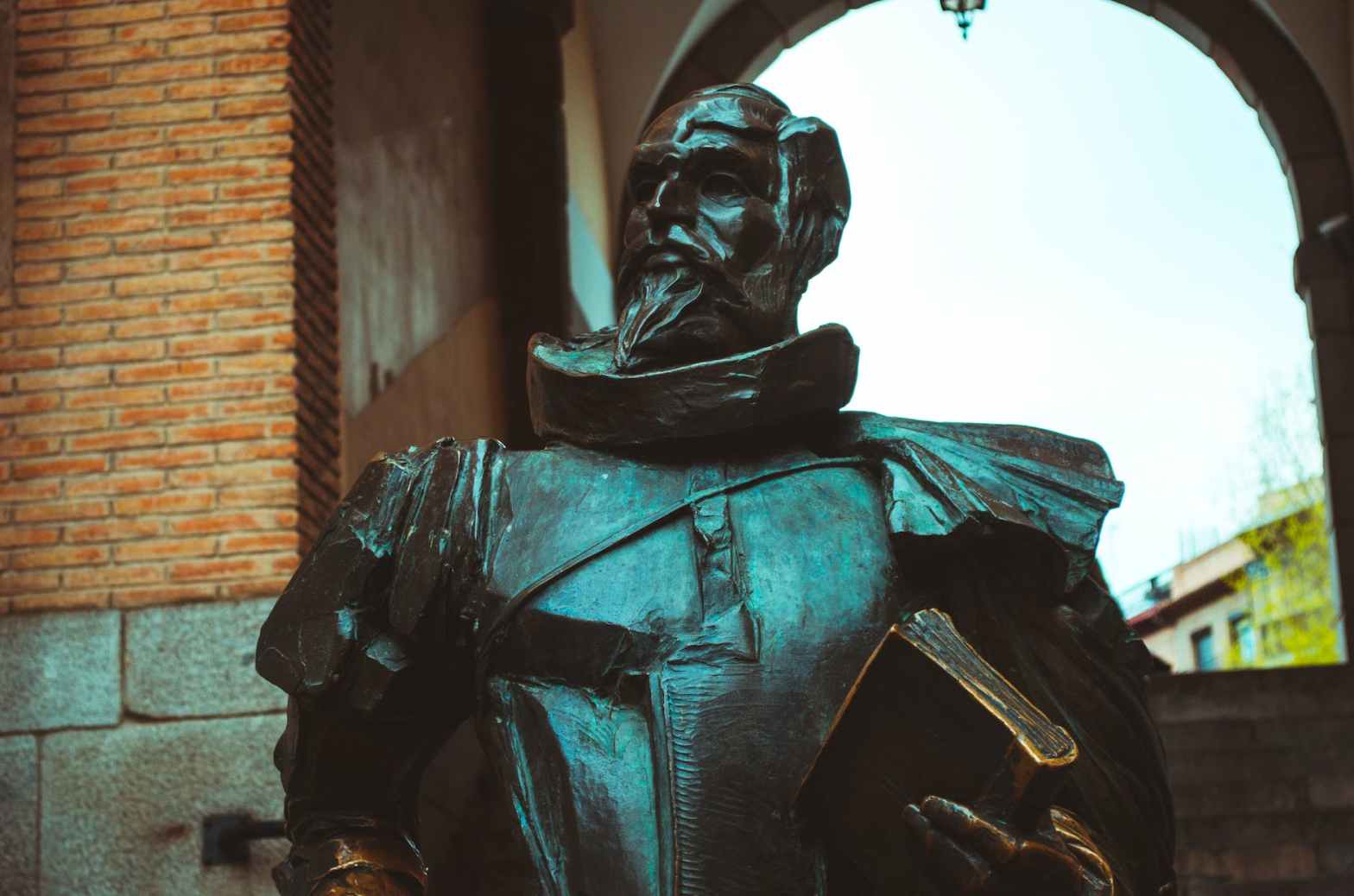






It was humbling to first encounter the ingenious knight Don Quixote de La Mancha by Miguel de Cervantes well into my fourth decade and even then, through the assistance of a translated audiobook during my commutes as a college professor. More than simply the tale of tilting at windmills, more than being the locus classicus of nearly every modern literary trope. The work and the man remain the definitive commentary on knight errantry precisely because Cervantes and Don Quixote refuse to essayer a singular position on the matter.

Knights are descendants of the equestrian class, which occupied the social rank just below the senatorial in the ancient Roman Republic and Empire. The eponymous feature of this class was its equine means, that is, its ability to own and supply a mounted horse for military service. The horse or “equus” appreciated in this way extended its name to the very equipment of war. An equestrian knight, both in the Roman form and more so in the later feudal period, was something of a privateer with respect to his own wealth investment in defense of the realm, and yet he was pledged by honor and political consequence to the service of a lord or the res publica. A knight was woven into the great medieval tapestry by the thread of fealty. He belonged to a king and kingdom. For keeping the public peace, he was due the fruits of the flocks and field.

Into this world entered the knight errant, who can be explained by the difference between adventure and aventure, between going out toward some quest and going out away from … well … everything. Don Quixote is ingenious, yes, because he often does the unthinkable when confronted with an obstacle, be it moral or tactical. More literally, however, Don Quixote is ingenious because he assumes knighthood as the first of his lineage, and he is a knight without a realm, a people or “gens” to serve. He is a man clearly mad and obscurely sane. While his equestrian equipment is more barber’s basin than Helm of Mambrino, he is, of necessity, resolute in moral virtue.
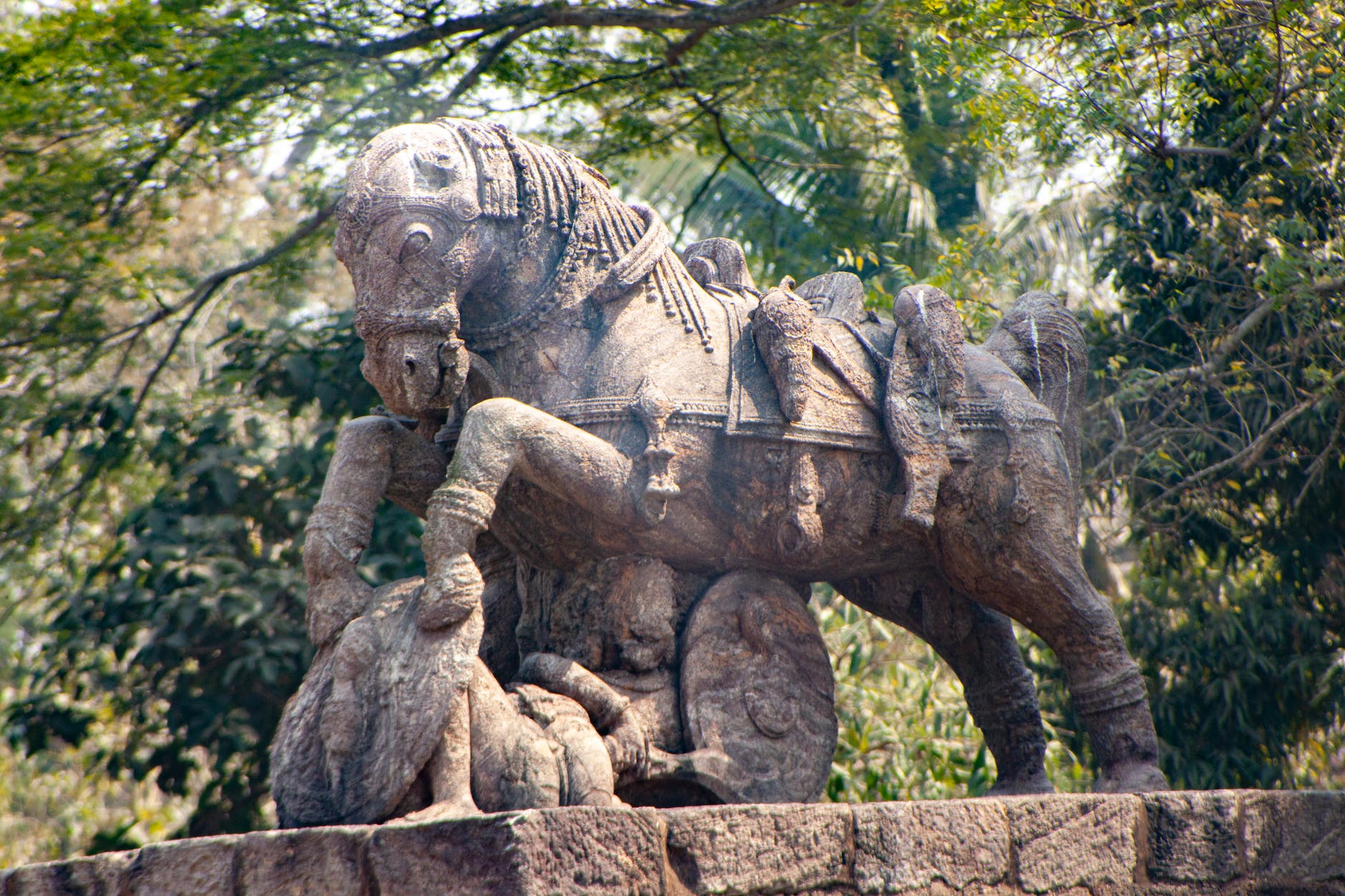
Chivalry became the code of honor for knights, but the word “chivalry” is derived from the French “cavalier” and the Spanish “caballero” both arising from the Latin “caballus” meaning “horse”, not the warhorse of “equus” but the workhorse, the “rocín,” as in Rocinantes, of the world. Similar to horsemanship in particular, chivalry placed a limit on the knight’s unchecked will. Just as he was bound or limited by what his horse was willing to do in battle or on the march, so too were the societal limits and responsibilities for knights. The knight errant, however, answered to no one, and yet served all. He is cycloptic as being a law unto himself and yet circumspect so as to never err morally or sin.
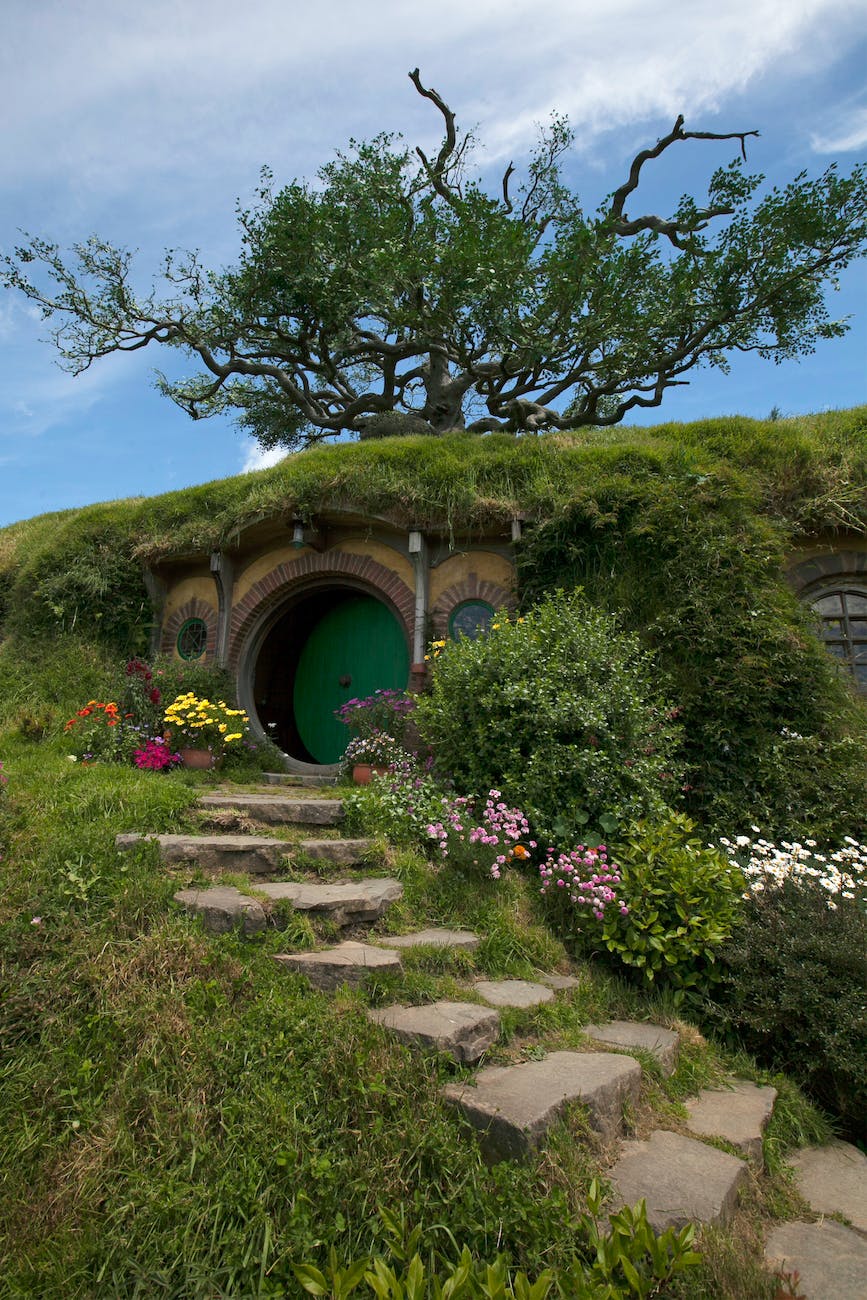
He is likened to a turtle who carries his home on his back except the knight errant seems to carry his entire civilization in his heart. The world of Don Quixote is full of lonely roads on which justice can easily give way to the pragmatic desires of the strong. What would you do if you could do anything and get away with it? This is the question presented by the Ring of Gyges myth in Plato’s Republic. For generations the myth has remained the staple theoretical discussion of first-year college philosophy students. It is a Thanksgiving discussion piece to justify the student’s absence since August, a mental exercise forgotten by Christmas break.
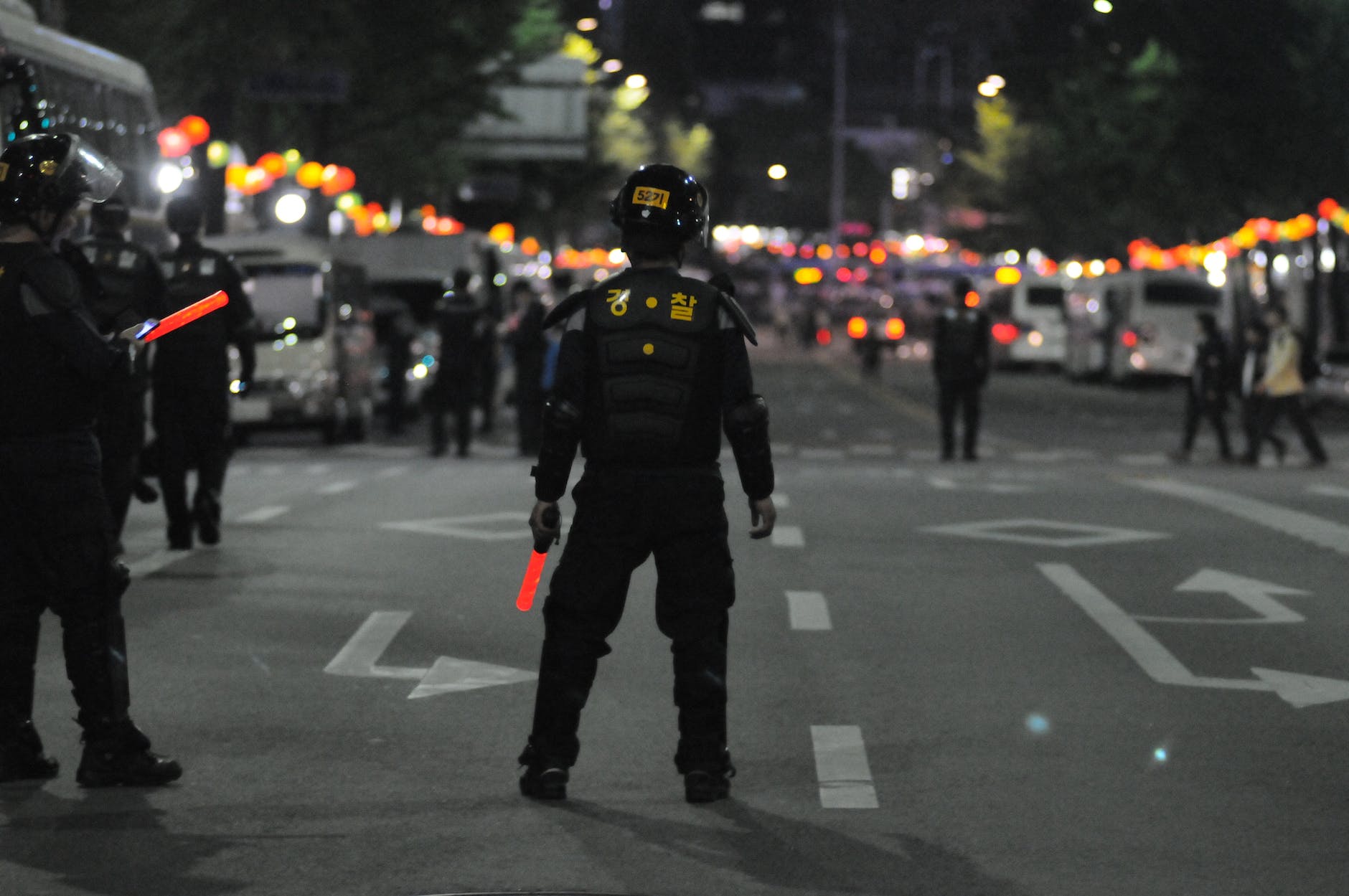
Perhaps we abandon the consideration of remaining moral absent consequence because we believe either that such a ring never truly existed or that our interconnected world now tracks the happenings of every lonely road through satellite imagery, cellular GPS, and the mass propagation of digital security cameras. We are always watched, and so no one is ever truly invisible. Our experience of the world, however, leads us to another conclusion. Masked larcenists rob storefronts in the name of reparations with impunity. Our over-leveraged bankers and financiers upend markets and lives in the name of fiduciary responsibility. Pharmaceutical entrepreneurs knowingly inject harmful and deadly substances into an unknowing population with legal immunity. Elected leaders fund their lifestyles and re-election campaigns with insider trading and laundered kickbacks both foreign and domestic. The Ring of Gyges exists today not because it makes the bearer invisible but because it makes the community blind to the pillaged common good.

Will we heed the alarm of our knights errant who see in the clear day that our windmills are backed by giants, that is, corporate conglomerates. The people whom Don Quixote encounters come to understand his madness but do not easily dismiss him. They find him a puzzle as if in him there is something good from an old world which they deeply miss. A woman of ill-repute is taken by Don Quixote as a noble maiden; an innkeeper, a castled lord. The knight errant Don Quixote captivates his fellow characters and the reader by removing them from their idyllic plain and placing them on a new plane of existence unhindered by past mistakes, dreams deferred, or the way we perceive that the world really is. The world for Don Quixote enjoys a moral clarity between good and evil, right and wrong, obscured by illusions and sorcery. Ours is a world of technological and empirical clarity amid increasing moral indifference.

To this end of analysis, it should be retained by the modern adjective “quixotic,” when referring to a quest or mission, not only the improbability of success but also the extreme worthiness of the pursuit. BetterPears is something of a quixotic enterprise seeking to turn back the cultural wheel of fortune one podcast and one fellowship at a time.

Be the first to know when the next episode of The BetterPears Podcast arrives!
Subscribe to The BetterPears Podcast


 BetterPears