
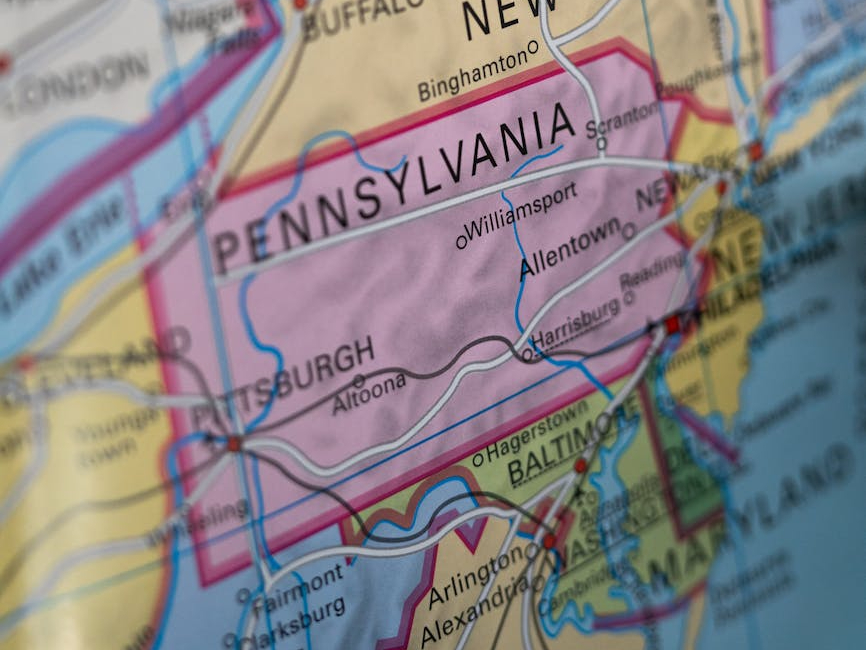






Just as we living today will spend the rest of our lives informing those of newer vintage that the expression “trumped up charges” existed prior to the presidential aspirations of one Donald J. Trump, so too will we be pressed to assert that the commonwealth of Pennsylvania became known as the “Keystone State” as a result of the 2nd Continental Congress and the War for Independence nearly 250 years ago. It is remarkable how often the course or, as some might say, fate of the constitutional republic, these United States of America, hinged on the outcome of Pennsylvanian events.

Within the year of the Declaration of Independence being ratified in Philadelphia, the weight of the war came to Penn’s Woods as Washington fled the fallen New York City. He would winter his troops in Valley Forge with their spirits and renewed commissions kept alive after the daring Christmas raid across the Delaware River. Less than 100 years later, three days outside Gettysburg full of muskets, bayonets, and cannon would determine the bloody fraternal dispute, the Bellum Civile, and initiate the inchoate and imperfect process of national healing. Filled with the fallen dead of her sons on both sides, perhaps the land and the people of Pennsylvania were tempted to think that their pivotal role, their keystone status would be interred as well, committed entirely to historical annals and political pageantry. This was largely the case in the 20th Century as states and territories at the extremities of the union received foreign attacks and directly countered the threat of nuclear annihilation.

Then one September Tuesday in 2001, United flight 93 fell out of the sky into a Pennsylvania field, and a new age of war erupted exporting the youth and wealth of our nation and importing body bags and loyal legionnaires crippled both outside and within. Onto this scene of chaos and corruption entered Donald Trump who through his wealth and patriotic ideals has remained disinterested like the Founding Fathers but ever interesting with a vitality rivaling Theodore Roosevelt and John F. Kennedy. In Butler, Pennsylvania, the angel’s buckler deflected the assassin’s bullets, and deafened the reskinned drums of civil war. The Keystone State ever still as the sway of the electoral college seems determined by this former colony founded on religious tolerance now sprouts forth God-fearing, long-suffering Amish suffragium in hand.
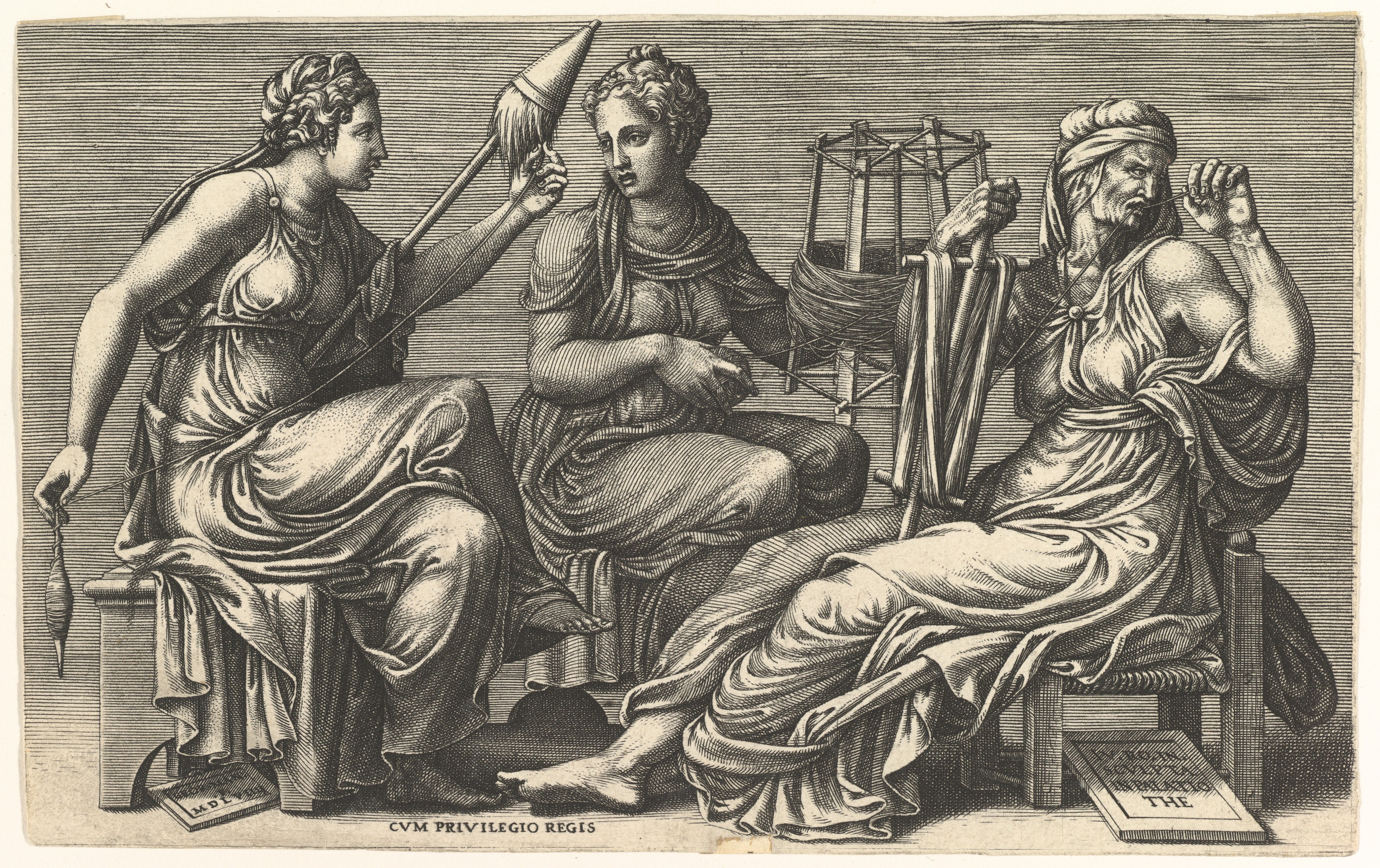
Such fate as providential judgment and governance is far removed from its ancient Greek and Roman sense of the term. Grammatically, “fate” is derived either from the 1st conjugation deponent verb “for, fari, fatus sum,” meaning “to say, speak” or from its 2nd conjugation deponent verb form “fateor, fateri, fassus sum,” meaning more assertively, “to admit, profess, declare.” Fate, then, as a substantive participle came to mean merely something that was said or declared. Its authority came from the one speaking. In the polytheistic pantheon of ancient Greece and Rome, this highest authority fell on father Zeus or Zeu-Pater, Jupiter, for the Romans. Such declarations and decrees from high Mt. Olympus concerning, for example, the influence of the gods upon the outcome of the Trojan War or the survival of demigod champions on various quests could only be rescinded, so the myths hold, by Zeus himself, or violated at great peril. The fate declared by Zeus was, then, able to be swayed by his favor and was in no way fixed. Further still, the handling of lesser decrees, including the stamina or lifespan of mortals was administratively deputed, Chevron Deference style to the three sister Fates or μοῖρα: Clotho (Κλωθώ), who spun the stamina or length of life; Lachesis (Λάχεσις), who measured it; and Atropos (Ἄτροπος), who cut the measured strand. Even in ancient mythology, bureaucrats ruin life itself with officious inefficiency.

Such a belief system of fate, however, both at the level of world shaping events and the span of an individual’s life stands distinct from the ordered, intentional creation of Genesis, Chapters 1 & 2. Unlike volatile, lusty Zeus, God revealed by Sacred Scripture is eternal, immutable and so His law once spoken remains, like the order of creation, fixed and unwavering. As an intentional creator, God does not subcontract even the lowliest matters, such as receding hairlines, without full judgment and providential governance. God is thoroughly in charge, and so the aspect of fate assumes a different meaning in a Judeo-Christian context. The pagan gods were patronal in that they required in some sense their continued cult by their mortal vassals. J.M Barrie seems to jest at this dependence in Peter Pan when the supernatural yet jealous Tinkerbell is brought low by poison and only restored by the confessed belief in fairies. The demonic occult, however, both ancient and modern maintains more strictly transactional relations, ensuring their continued patronage through the spiritual enslavement of their devotees, collateral casualties in their lost war.
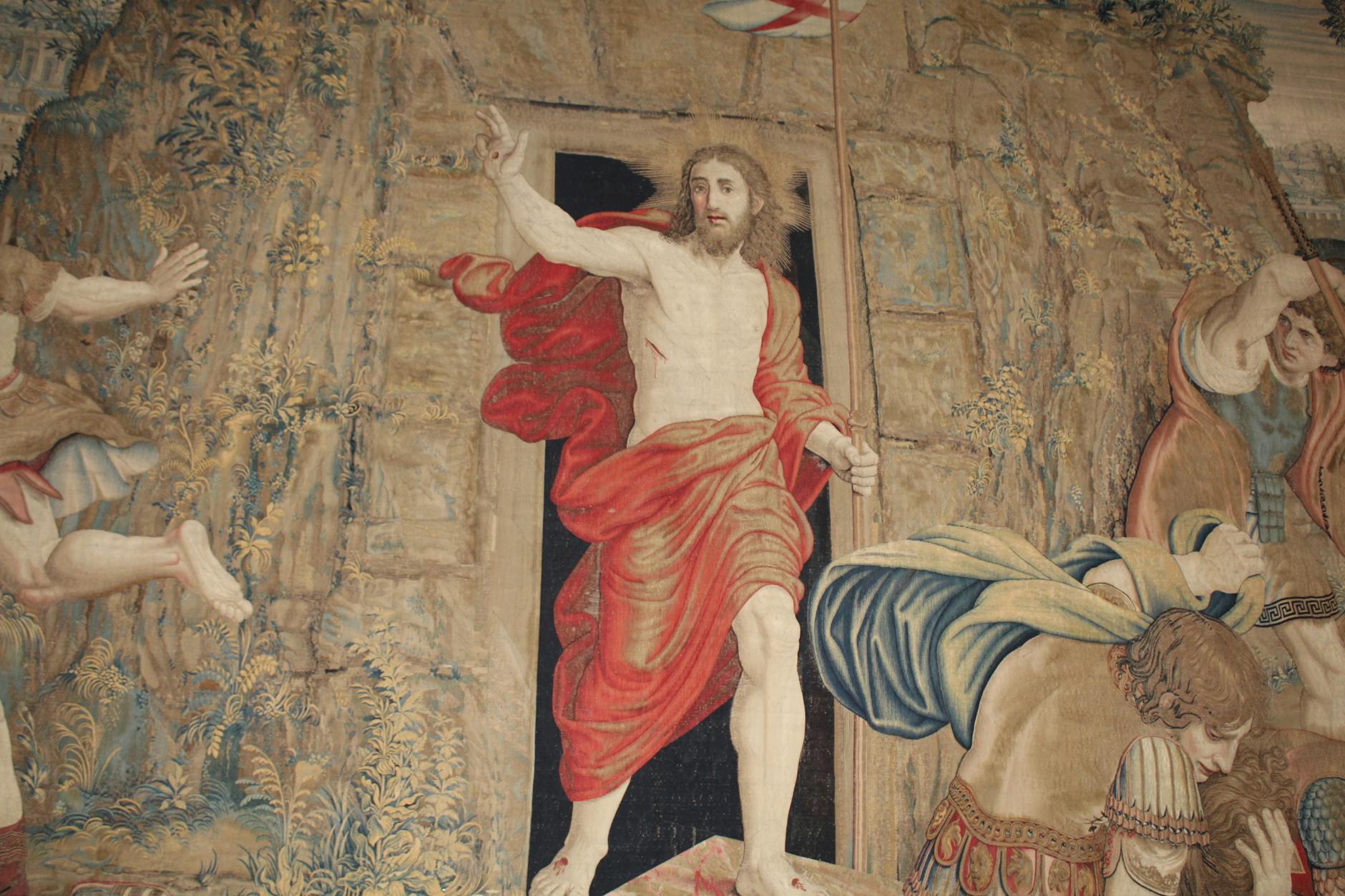
Yet the God of Abraham, Isaac, and Jacob, the God revealed to man through the Son, Jesus Christ, never truly needed sacrificial worship, endured in a tent without a temple and beyond all temples lost save for our benefit the temple rebuilt in three days (Cf. Jn 2:19). Such an omnipotent God could not be moved by altars to alter fate and yet offers life to sinner and saint, a life freely willed. Would that our wills converge with His granting their subaltern mode and manner. We pray “Thy will be done” not to alter His will but to conform our wills to it, trusting that His will is always for our final good and disposing ourselves to participate in bearing the weight of sin, the weight of the cross, the weight of glory when all accounts are at last settled and all debts redeemed. For He has spoken and declared this fate: “It is finished” (Jn. 19:30).

BetterPears Market Mug Giveaway
Click Here to learn more
Be the first to know when the next episode of The BetterPears Podcast arrives!
Subscribe to The BetterPears Podcast


